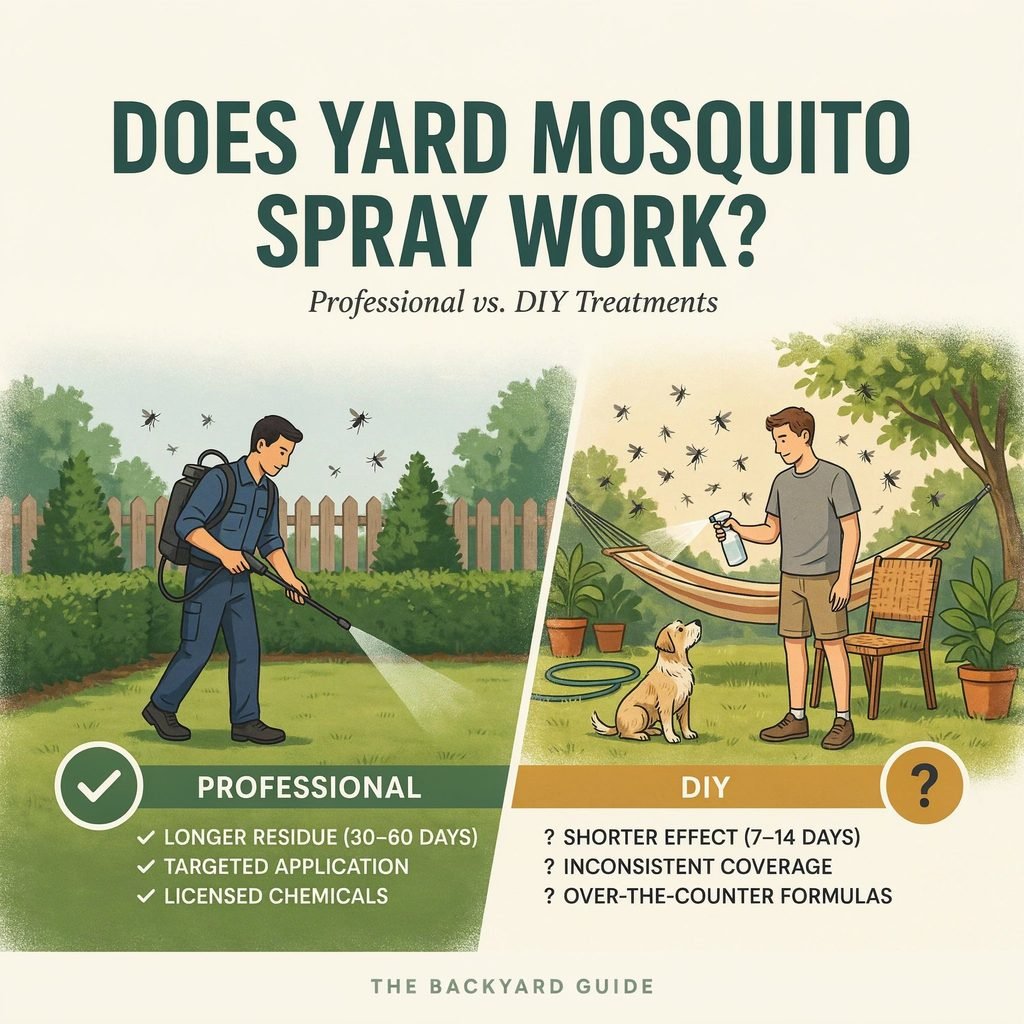
There’s nothing quite like stepping onto your back porch on a warm July evening, lemonade in hand, ready to watch the sunset—only to be swarmed by a cloud of hungry mosquitoes within seconds. If you’ve ever had to abandon a barbecue, cut a kids’ play session short, or spray yourself down with chemicals just to sit outside for twenty minutes, you already know the frustration. The good news? You don’t have to choose between a mosquito-free yard and a safe one. Learning how to get rid of mosquitoes in your yard naturally is entirely possible, and it starts with a few smart, consistent habits rather than a can of aerosol spray.
In this guide, you’ll discover proven, science-backed strategies to dramatically reduce mosquitoes around your home—methods that are safe for your kids, your pets, your pollinators, and the environment. Let’s reclaim your backyard.
Why Mosquitoes Love Your Yard
Before you can fight mosquitoes, it helps to understand what draws them in. Female mosquitoes need standing water to lay their eggs. The life cycle is surprisingly fast: eggs hatch into larvae within 24–48 hours, larvae mature into pupae in about a week, and adults emerge ready to bite within another few days. In warm US climates, that entire cycle can complete in as little as seven to ten days.
Standing water is the number-one culprit, but it’s not the only factor. Adult mosquitoes rest in cool, shaded, humid spots during the heat of the day—think dense shrubs, tall grass, under decks, and piled-up leaf litter. If your yard offers both a breeding site and a resting spot, mosquitoes will treat it like a five-star resort.
In most of the United States, mosquito season runs from early spring through late fall. The South and Southeast can see activity from March into November, while the Northeast and Midwest typically peak from June through September. During those months, mosquitoes aren’t just annoying; they can carry diseases like West Nile virus and Eastern Equine Encephalitis. Keeping populations down isn’t just about comfort—it’s a sensible health precaution.
Step 1: Eliminate Mosquito Breeding Sites
If you take only one piece of advice from this article, make it this: eliminate standing water. Source reduction is the single most effective form of natural mosquito control for your yard. No spray, candle, or plant can compete with simply removing the places where mosquitoes breed.
Your Weekly Standing-Water Checklist
Walk your property at least once a week (more often after rain) and check every item below:
- Clogged gutters and downspouts – Clear leaves and debris so water flows freely. Even a small pooled section can breed hundreds of larvae.
- Plant saucers and pot trays – Empty them every 2–3 days or fill with sand to absorb excess water.
- Birdbaths and pet water bowls – Dump, scrub, and refill every two days. Scrubbing matters because mosquito eggs stick to container walls.
- Kiddie pools and inflatable pools – Drain or cover when not in use; refresh water at least every other day during active use.
- Tarps, toys, buckets, and wheelbarrows – Flip, store upside-down, or bring under cover.
- Trash cans, recycling bins, and their lids – Check for collected rainwater.
- Old tires, unused containers, and yard debris – Remove or store them where water can’t collect.
- Low spots in the lawn – Fill with topsoil or improve grading so puddles don’t linger more than a day.
What About Water You Can’t Drain?
Some features—rain barrels, ornamental ponds, decorative fountains—can’t simply be emptied. Here’s how to stop mosquitoes from breeding in your yard in those spots:
- BTI mosquito dunks or bits. Bacillus thuringiensis israelensis (BTI) is a naturally occurring soil bacterium that kills mosquito, blackfly, and fungus-gnat larvae but is harmless to people, pets, birds, fish, and bees. Drop one dunk per 100 square feet of surface water; it lasts about 30 days. Follow the label directions, and you’ve got a kid-safe, pet-safe mosquito control solution.
- Mosquito fish (Gambusia affinis) or goldfish. For larger ponds, a few small fish will happily eat larvae. Check with your state wildlife agency or local extension office first—some areas regulate non-native fish introductions.
- Keep water moving. A small pump or aerator in fountains and ponds discourages egg-laying.
Step 2: Make Your Yard Less Mosquito-Friendly
Once breeding sites are handled, the next goal is to remove the cool, still, humid microclimates where adult mosquitoes rest.
- Mow regularly. Keep grass under about two inches. Tall grass holds moisture and shade—perfect mosquito lounges.
- Trim overgrown shrubs and hedges. Open up the lower branches so air circulates and sunlight penetrates.
- Clear clutter. Leaf piles, stacked firewood against the house, and dense ground-cover weeds all harbor resting adults.
- Prune for airflow. Thinning dense canopy branches near patios and play areas reduces the still, humid air mosquitoes prefer.
Improve Drainage Where Needed
If certain areas of your lawn stay soggy for days after a storm, consider simple fixes: fill low spots with a soil-and-compost mix, extend downspouts at least four to six feet away from the house, or install a basic French drain or dry well in persistently wet zones. Your local cooperative extension service can often advise on drainage solutions suited to your soil type.
Step 3: Use Natural Repellents and Barriers
Here’s an important truth: no single plant will create a force field around your patio. But used strategically, mosquito-repellent plants for your garden can be one helpful layer in a broader natural mosquito barrier for your backyard.
Best Plants to Keep Mosquitoes Away
Research and university extension studies point to these options:
- Catnip – Contains nepetalactone, shown in lab studies to repel mosquitoes.
- Lemon eucalyptus – The source of oil of lemon eucalyptus (OLE), an EPA-registered repellent.
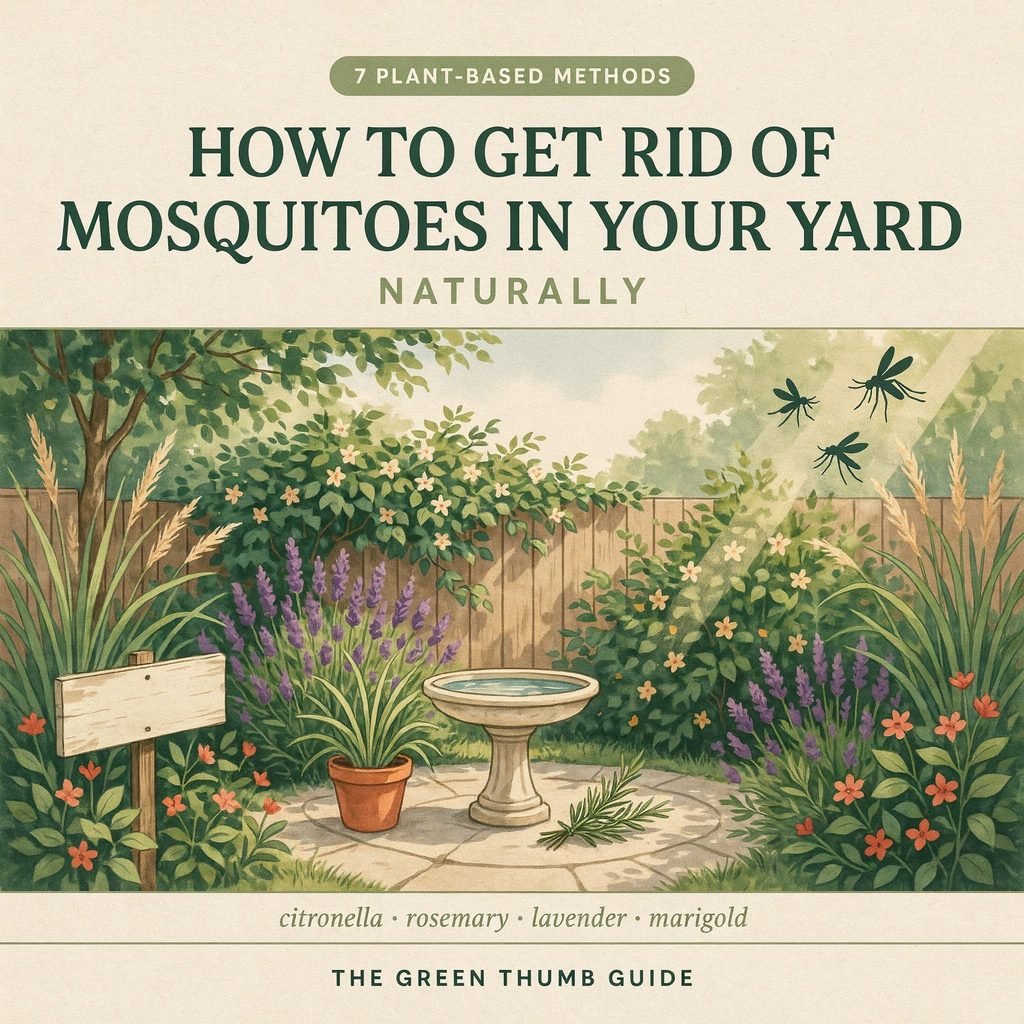
- Citronella grass and lemongrass – The real plants, not just the candles.
- Lavender, rosemary, basil (especially lemon basil) – Aromatic herbs whose oils deter biting insects.
- Marigolds – Contain pyrethrum compounds used in some organic insect repellents.
- Lemon balm and scented geraniums – Pleasant-smelling additions that add mild repellent action.
How to use them effectively:
- Plant in dense masses or borders near seating areas, doorways, and pathways—not just one lonely pot on the table.
- Crush or brush the leaves occasionally to release volatile oils into the air.
- Mix them into containers and hanging baskets around your patio for a multi-layered scent barrier.
DIY Mosquito Repellent for Your Yard
For a quick, non-toxic backyard spray:
- Steep a handful of fresh rosemary, mint, or basil leaves in two cups of boiling water for 20 minutes.
- Strain, cool, and pour into a spray bottle.
- Mist around outdoor seating, table legs, and the perimeter of your patio.
You can also add a few drops of citronella, lavender, or eucalyptus essential oil to water in a spray bottle. Safety note: Keep essential oil sprays away from cats (many oils are toxic to felines), avoid applying undiluted oils to children’s skin, and always do a patch test first.
Don’t Overlook the Simple Box Fan
Mosquitoes are weak fliers. A standard oscillating outdoor fan aimed at your seating area creates enough airflow to make landing and feeding extremely difficult. It’s cheap, chemical-free, and doubles as a cooling breeze on hot evenings.
Step 4: Protect Yourself and Your Family Naturally
Even with the best yard-level organic mosquito treatment, a few personal habits round out your defense.
- Choose lower-risk repellents. Oil of lemon eucalyptus (OLE, 30% concentration) is EPA-registered and CDC-recommended for adults and children over three. Picaridin (20%) and IR3535 are also effective, low-odor options considered safe for kids when used as directed.
- Apply correctly. Follow label instructions, reapply after sweating or swimming, and avoid hands and faces of young children.
- Dress smart at dusk and dawn. Long sleeves, long pants, tucked-in socks, and light-colored fabrics make you a harder target. Mosquitoes are more attracted to dark colors.
- Skip heavily scented lotions and perfumes when you’re heading outside; floral fragrances can attract biting insects.
- Switch to warm-toned LED bulbs on your porch and patio. Bright, cool-white lights pull in the insects that mosquitoes feed on.
What Not to Rely On
A quick reality check saves you time and money:
- Citronella candles alone offer a very small zone of mild odor masking. They won’t keep a patio mosquito-free.
- Bug zappers kill thousands of beneficial insects—moths, beetles, pollinators—while catching very few mosquitoes.
- A few potted plants without source reduction won’t make a measurable difference.
- Ultrasonic repellers and most “mosquito gadget” apps lack credible peer-reviewed evidence of effectiveness.
The formula that actually works: source reduction + yard maintenance + layered natural repellents + smart personal protection.
Regional Tips for US Homeowners
- South & Southeast (FL, GA, TX, LA, and neighbors): Long, humid seasons mean you’ll be checking for standing water from March through November. Prioritize drainage, use BTI dunks in every rain barrel, and lean on dense plant borders for shade-loving mosquito hotspots.
- Northeast & Midwest: Mosquitoes spike after summer thunderstorms. Make gutter clean-outs and yard debris pickup part of your post-storm routine. Do a full yard cleanup in early spring to remove overwintering eggs.
- West & Southwest (CA, AZ, NV, CO): Drier climate doesn’t mean mosquito-free. Irrigation drip lines, AC condensation puddles, and ornamental ponds become prime breeding sites. Inspect those weekly.
Wherever you live, your county extension office or local health department often publishes region-specific mosquito guides—worth a quick search.
FAQs: Natural Mosquito Control in the Yard
What is the fastest natural way to get rid of mosquitoes in my yard?
Eliminate every source of standing water today. Within 5–7 days, the larvae already in that water would have matured into biting adults, so removing it now cuts the next generation before it emerges.
Are mosquito dunks (BTI) safe for pets, kids, and bees?
Yes. BTI targets only the larvae of mosquitoes, blackflies, and fungus gnats. It is considered safe for mammals, birds, fish, bees, and beneficial insects when used as directed.
Do citronella plants really repel mosquitoes?
The living plant has a very limited effect radius. You’d need to crush the leaves to release oils, and even then the protection is modest. Think of it as one small layer, not a standalone solution.
How often should I change birdbath water to prevent mosquitoes?
Every two days, or at most every three. Scrub the basin each time to dislodge any eggs stuck to the sides.
What are the best pet-safe mosquito control methods?
Eliminating standing water, BTI dunks in ponds, keeping grass short, using fans, and planting aromatic herbs are all safe for dogs and cats. Avoid applying concentrated essential oils where pets walk or groom.
Can I use essential oils directly on skin or around my yard?
Always dilute essential oils in a carrier (water with a dispersant, or a carrier oil for skin). Many oils are irritating to children under three and toxic to cats. When in doubt, choose an EPA-registered product like OLE or picaridin instead.
How long after removing standing water will I notice fewer mosquitoes?
Most people see a noticeable drop within one to two weeks, because you’ve interrupted the breeding cycle. Neighboring yards can still contribute mosquitoes, so encourage nearby households to do the same.
Conclusion
Learning how to get rid of mosquitoes in your yard naturally isn’t about one magic product—it’s about building a handful of consistent habits. Empty the saucers, clean the gutters, mow the grass, plant a few aromatic borders, set up a fan, and use BTI where water must stay. Layer those steps, and you’ll cut mosquito numbers dramatically without a single harsh chemical.
Start small this week: walk your yard with a notebook, mark every spot holding water, and fix three of them. Add a pot of lemon balm by the back door. Point a fan at your patio chairs. By next weekend, those evening bites will already be fading—and your kids, your dog, and the local bees will thank you for it.
Happy (bite-free) evenings ahead.