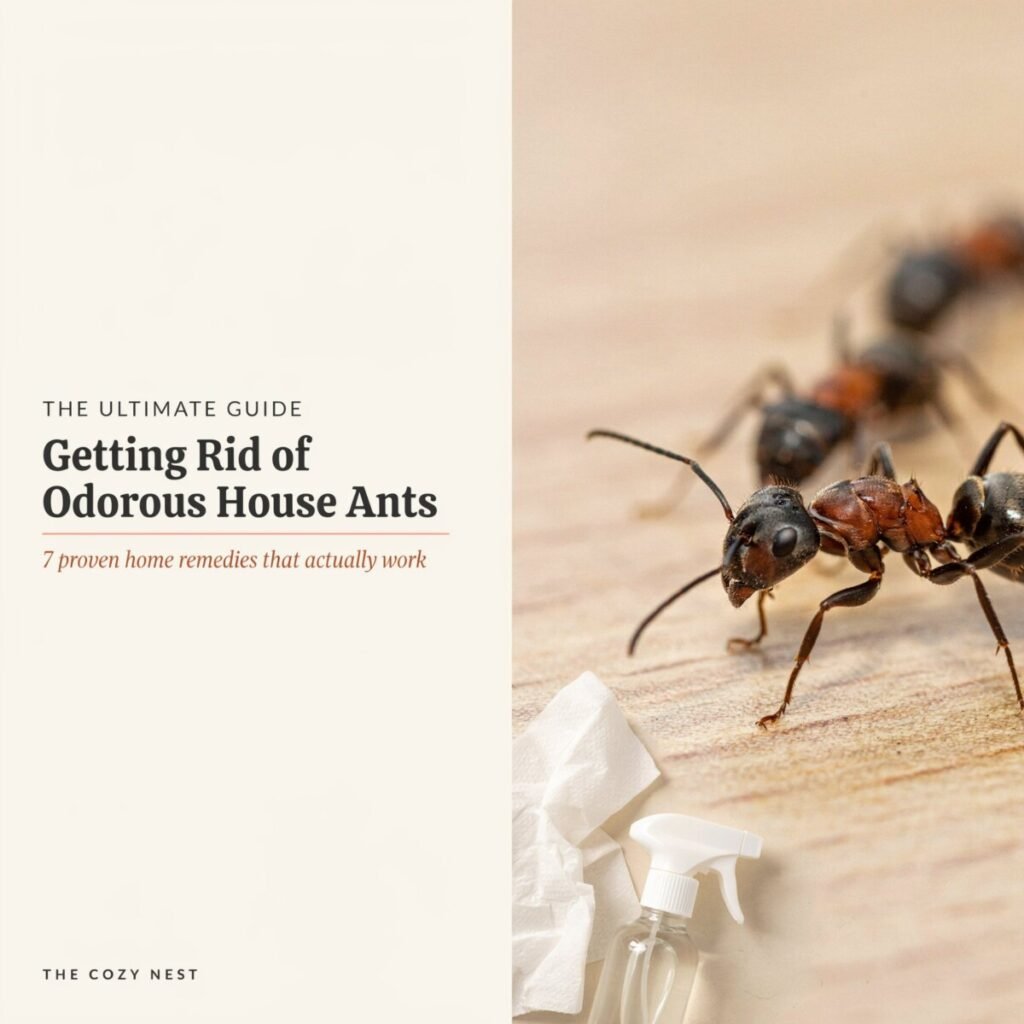
If you’ve noticed tiny dark ants marching along the edges of your driveway or spotted small piles of soil popping up between concrete slabs, you’re likely dealing with pavement ants. These persistent little insects are one of the most common ant species found across the United States, and they have an uncanny ability to turn your driveway cracks and foundation gaps into their personal real estate.
Pavement ants might seem like a minor nuisance at first glance, but they can quickly become a recurring headache for homeowners. What starts as a few ants near your sidewalk can escalate into a full-blown ant infestation that spreads to your garage, basement, and even your kitchen. The cracks in your concrete aren’t just unsightly—they’re providing the perfect habitat for these industrious insects to build sprawling colonies right at your doorstep.
The good news is that pavement ants are manageable with the right approach. Whether you prefer do-it-yourself solutions or professional pest control services, understanding what attracts these ants to your property and how to effectively eliminate their colonies will help you reclaim your driveway and protect your home’s foundation from these unwelcome tenants.
What Are Pavement Ants?
Pavement ants (Tetramorium caespitum) are small, dark-colored insects that typically measure between 2.5 and 4 millimeters in length. These ants are most commonly brown to black in color, with pale-colored legs and antennae. Under magnification, you can see distinctive parallel lines or grooves running along their head and thorax, which helps distinguish them from other ant species.
These ants get their name from their preferred nesting habits. In urban and suburban environments across America, pavement ants build their colonies beneath concrete slabs, alongside sidewalks, under driveways, and within foundation cracks. They excavate soil from beneath these hard surfaces, pushing it upward to create the characteristic small, cone-shaped mounds of dirt you’ll find between pavers and along pavement edges.
Pavement ant colonies can be surprisingly large, often containing thousands of individual workers. These colonies are typically polydomous, meaning they maintain multiple nest sites that are all connected and working together as one extended colony. This is why treating a single crack in your driveway may not solve the problem—the main colony could be located several feet away under a neighboring slab.
Common signs of pavement ant activity include small dirt piles along concrete edges, visible ant trails leading to and from food sources, and increased activity during warm spring and summer months. You’ll often notice them most in the early morning or evening hours when temperatures are moderate.
Why Pavement Ants Enter Driveway and Foundation Cracks
Understanding why pavement ants are attracted to your property is the first step toward effective ant prevention and long-term control. Three primary factors draw these insects to driveway and foundation cracks: food, moisture, and shelter.
Food Sources: Pavement ants are opportunistic foragers with a diverse diet. They’re attracted to sweet substances, greasy foods, proteins, and even pet food left outdoors. When worker ants discover a reliable food source near your home—whether it’s a spill on your patio, unsealed garbage bins, or aphid honeydew from nearby plants—they’ll establish pheromone trails that lead the rest of the colony directly to your property.
Moisture: Like all living organisms, pavement ants need water to survive. Concrete cracks and foundation gaps often trap moisture, especially in areas with poor drainage or where sprinkler systems create consistently damp conditions. Settling foundations and aging concrete develop small gaps that collect rainwater and condensation, creating the ideal microhabitat for ant colonies.
Shelter: The thermal properties of concrete make it an excellent nesting material for pavement ants. During hot summer days, the soil beneath concrete slabs remains cooler, while in winter, it retains warmth longer than exposed ground. Expansion joints, control joints, and cracks in concrete provide easy access points for ants to excavate their galleries and establish protected colonies.
Landscaping choices can also contribute to the problem. Mulch piled against your foundation, dense ground cover near your home, and overgrown vegetation all create sheltered pathways that encourage ants to nest closer to your structure. From these outdoor nesting sites, pavement ants can easily move indoors through the same cracks and gaps, following utility lines, pipe penetrations, and foundation seams into your garage, crawl spaces, and living areas.
How to Identify a Pavement Ant Infestation
Recognizing the early signs of a pavement ant infestation can save you time and money in the long run. Here’s what to look for when inspecting your property:
Visual Signs: The most obvious indicator is the presence of small, cone-shaped soil mounds between concrete slabs, along driveway edges, and near foundation walls. These piles of displaced dirt are typically fine-grained and may be as small as a quarter or as large as several inches across. You’ll also notice established ant trails—lines of worker ants traveling in both directions between their nest and food sources.
Distinguishing Pavement Ants from Other Species: Several ant species commonly invade American homes, and telling them apart helps you choose the right treatment approach. Pavement ants are smaller than carpenter ants, lack the strong odor of odorous house ants when crushed, and move at a moderate pace. Unlike fire ants, they don’t build large, visible mounds in open lawn areas, and they rarely sting humans. If you spot small, dark brown to black ants near concrete surfaces, you’re most likely looking at pavement ants.
Activity Patterns: Pay attention to where you see ant activity. Pavement ants frequently appear near garage floors, basement walls, ground-level baseboards, and around patio furniture. During mating season (typically spring), you may see winged reproductive ants, called swarmers, emerging from cracks in your driveway or foundation. This is a strong indicator that a mature colony is established nearby.
Indoor Signs: If pavement ants have moved indoors, you’ll typically find them in ground-floor rooms, particularly kitchens and bathrooms where moisture and food are readily available. They may trail along baseboards, around door frames, or along utility lines entering through the foundation.
How to Get Rid of Pavement Ants in Driveway Cracks
Successfully eliminating pavement ants requires targeting the colony, not just the visible workers. Here’s a comprehensive DIY treatment approach:
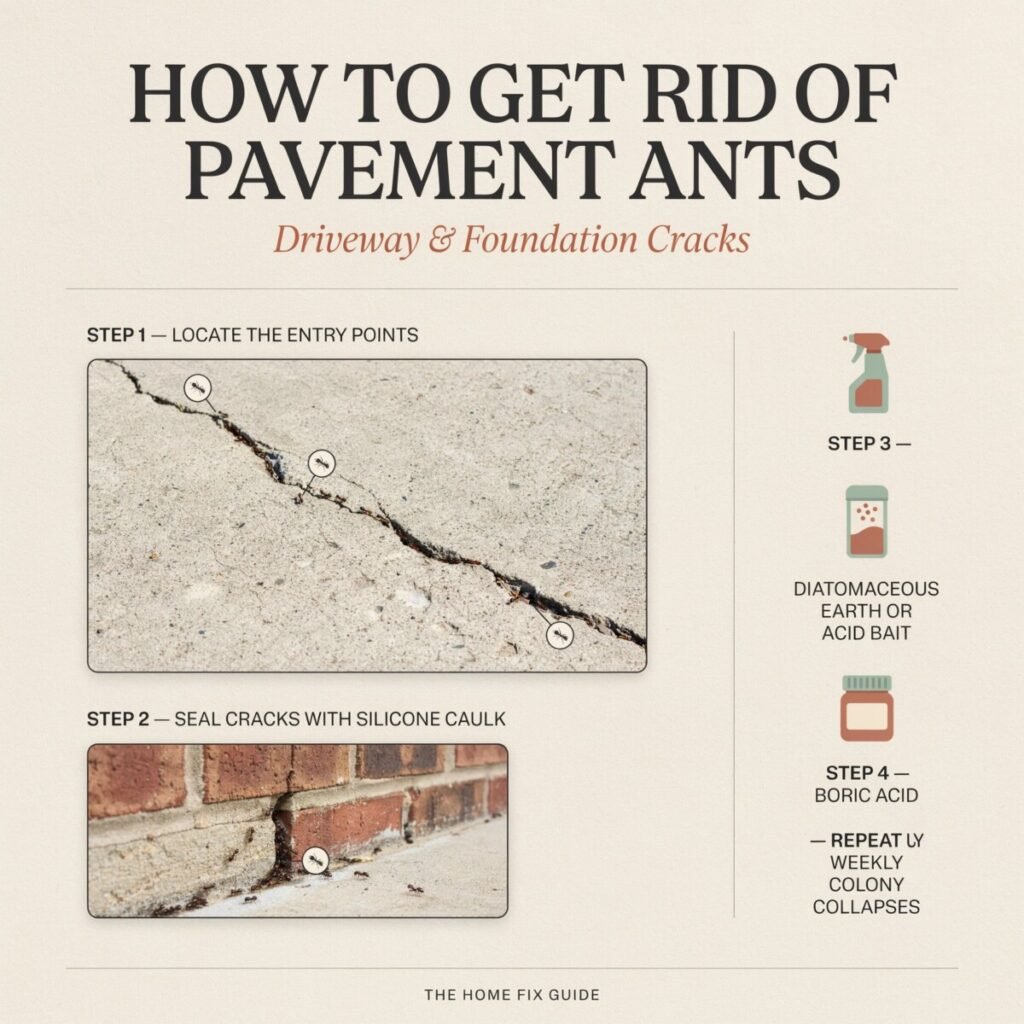
Step 1: Locate Active Cracks and Nests
Before applying any treatment, take time to observe ant activity during peak hours (early morning or evening). Watch where ant trails lead and identify the specific cracks where soil mounds are accumulating. These are your primary treatment targets. Use a flashlight for evening inspections, and mark active areas with chalk or small stakes.
Step 2: Apply Ant Bait
Ant bait is often the most effective treatment for pavement ants because it exploits their natural foraging behavior. Worker ants collect the bait and carry it back to the colony, where it’s shared with other workers, larvae, and ultimately the queen. This slow-acting approach ensures the entire colony is affected, not just the ants you see on the surface.
Choose gel baits or granular baits specifically labeled for outdoor use and effective against pavement ants. Place bait stations or apply bait directly along ant trails and near nest entrances in driveway cracks. Don’t disturb the trails or spray insecticides near the bait, as this will prevent worker ants from accessing it. Be patient—bait treatments can take several days to two weeks to show significant results.
Step 3: Use Non-Repellent Insecticide Sprays
For faster control of heavy infestations, non-repellent insecticide sprays can be highly effective. Unlike repellent sprays that ants can detect and avoid, non-repellent products allow ants to walk through treated areas without knowing they’ve been exposed. The ants then spread the insecticide throughout the colony through contact with nestmates.
Apply non-repellent sprays around the perimeter of your driveway, along foundation cracks, and directly into crevices where ants are active. Focus on crack and crevice treatment rather than broad surface applications. Products containing fipronil or similar active ingredients are popular choices among pest control professionals and are available to homeowners.
Step 4: Dust Applications for Deep Cracks
For deep foundation cracks and hard-to-reach areas, insecticidal dust can provide extended control. Dust products containing deltamethrin or silica aerogel can be puffed directly into cracks using a hand duster. The fine particles adhere to ants as they pass through and can remain effective for weeks or months when kept dry.
Why Spraying Visible Ants Isn’t Enough
Many homeowners make the mistake of grabbing an aerosol spray and killing the ants they can see. While this provides immediate satisfaction, it does nothing to address the thousands of ants hidden in the colony beneath your driveway. Worse, it can trigger the colony to split and establish satellite nests in new locations, making the infestation even harder to control. Focus on treatments that reach the queen and the colony structure for lasting results.
How to Treat Foundation Cracks Safely
Treating foundation cracks requires careful attention to both effectiveness and safety. Here’s how to approach foundation ant treatment responsibly:
Preparation: Before applying any pest control products, clear the area around your foundation. Remove debris, mulch, and vegetation within 12 to 18 inches of your home’s exterior. This exposes the treatment area and creates a barrier zone that discourages ant activity.
Crack Sealing Before Treatment: For large foundation cracks, consider sealing them with an appropriate concrete caulk or sealant after treatment. This prevents new ants from entering and keeps moisture from compromising your foundation. However, if you’re using bait treatments, wait until ant activity has ceased before sealing cracks completely—otherwise, you may trap the colony inside your walls.
Safe Product Application: When using outdoor ant treatment products around your foundation, always read and follow the label directions carefully. Wear appropriate protective equipment, including gloves and long sleeves. Keep children and pets away from treated areas until products have dried or as specified on the product label.
Apply liquid insecticides in a narrow band along the foundation, focusing on the crack-and-crevice treatment method rather than broadcast spraying. This targeted approach minimizes environmental impact while maximizing effectiveness. Never apply pesticides near water sources, vegetable gardens, or areas where runoff could reach storm drains.
Avoid Overuse: More product doesn’t mean better results. Using excessive amounts of pesticides can contaminate soil and groundwater without providing additional pest control benefits. Stick to recommended application rates and intervals, and rotate active ingredients if you find yourself treating the same areas repeatedly.
Natural and Low-Toxicity Remedies
If you prefer to minimize chemical use around your home, several natural and low-toxicity options can help reduce pavement ant activity. However, it’s important to understand that these methods may not provide complete colony elimination, especially for large or established infestations.
Vinegar Solutions: A mixture of equal parts white vinegar and water can disrupt ant pheromone trails and deter foraging activity. Spray this solution along ant trails, around foundation cracks, and on surfaces where ants travel. The strong scent masks the chemical trails ants use to navigate, forcing them to establish new routes. Reapply after rain and expect to repeat treatments regularly.
Diatomaceous Earth: Food-grade diatomaceous earth is a natural powder made from fossilized algae that can kill ants by damaging their exoskeletons and causing dehydration. Apply a thin layer around foundation cracks, along driveway edges, and in other areas where ants are active. This method works best in dry conditions—rain and watering will reduce its effectiveness. Wear a dust mask when applying to avoid inhaling fine particles.
Boiling Water: Pouring boiling water directly into ant nest openings in driveway cracks can kill significant numbers of ants, including the queen if you reach the main chamber. This method requires caution, as boiling water can damage certain types of concrete and landscaping, and it poses a burn risk. Multiple applications over several days may be necessary for complete control.
Soap and Water Sprays: A solution of dish soap and water can kill ants on contact by suffocating them. Mix several tablespoons of liquid dish soap with water in a spray bottle and apply directly to visible ants and nest entrances. Like boiling water, this approach provides immediate but incomplete control.
Essential Oil Deterrents: Peppermint, tea tree, and citrus essential oils can repel ants when diluted and sprayed around entry points. While pleasant-smelling and generally safe for use around your home, these oils typically provide only temporary deterrence and require frequent reapplication.
Limitations to Consider: Natural remedies work best as part of a broader pest management strategy rather than as standalone solutions. They may reduce ant traffic and discourage new colonies from establishing, but they rarely eliminate mature colonies located deep beneath concrete slabs. For serious infestations, combine natural methods with proven baits or professional treatments for best results.
Best Long-Term Pest Control Strategy
The most effective approach to pavement ant control combines multiple tactics that address both current infestations and future prevention. A comprehensive strategy should include the following elements:
Integrated Pest Management (IPM): Rather than relying on a single treatment method, successful homeowners use a combination of baiting, perimeter treatment, physical barriers, and sanitation practices. Start by reducing ant populations with bait treatments, follow up with targeted insecticide applications where needed, and then implement preventive measures to stop reinfestation.
Crack and Gap Sealing: Once ant activity has subsided, seal cracks in your driveway, sidewalk, and foundation using appropriate materials. Concrete cracks can be filled with polyurethane or silicone-based sealants designed for outdoor use. Foundation gaps and expansion joints should be filled with flexible sealants that can accommodate the natural movement of your home. Pay special attention to areas where utility lines enter your home, as these are common entry points for ants.
Drainage and Moisture Control: Since pavement ants are attracted to moisture, address any drainage issues around your property. Ensure that gutters and downspouts direct water away from your foundation, repair leaky outdoor faucets, and adjust irrigation systems to avoid oversaturating areas near your home. Consider installing French drains or regrading soil to improve drainage in problem areas.
Vegetation Management: Trim trees and shrubs so that branches don’t touch your home’s exterior. Ants often use vegetation as bridges to access your roof, siding, and foundation. Keep mulch layers thin (no more than 2-3 inches) and maintain at least a 12-inch gap between mulch and your foundation. Remove ground cover and dense plantings near your home’s perimeter.
Sanitation Practices: Reduce food sources that attract ants by keeping outdoor eating areas clean, storing garbage in sealed containers, and cleaning up pet food after meals. Indoors, wipe down counters regularly, store food in airtight containers, and vacuum frequently to remove crumbs and food particles.
Regular Monitoring: Inspect your property monthly for signs of ant activity, especially during spring and fall when colonies are most active. Early detection allows you to address small problems before they become major infestations.
When to Call a Pest Control Professional
While many pavement ant problems can be managed with DIY methods, certain situations warrant professional pest control services:
Recurring Infestations: If you’ve treated your driveway and foundation multiple times but ants keep returning, you likely have a larger colony network that’s difficult to reach with consumer-grade products. Professional pest control companies have access to commercial-grade products and specialized equipment that can penetrate deeper into soil and concrete.
Colony Activity Under Slabs: When pavement ants establish colonies directly beneath your home’s slab foundation, treatment becomes significantly more challenging. Professionals can perform sub-slab treatments, inject insecticides beneath concrete, and identify hidden satellite colonies that you might miss during a visual inspection.
Indoor Ant Trails and Multiple Entry Points: If pavement ants are consistently appearing indoors despite your outdoor treatment efforts, they may have established indoor satellite nests or discovered multiple entry points through your foundation. A professional inspection can identify all entry points and develop a comprehensive treatment plan.
Large Properties or Complex Landscaping: Homes with extensive hardscaping, multiple concrete pads, retaining walls, or elaborate landscaping present numerous potential nesting sites that can overwhelm DIY treatment efforts. Professional services can systematically treat the entire property and create long-term prevention plans.
What to Expect from Professional Service: A professional ant control treatment typically begins with a thorough inspection of your property, both inside and outside. The technician will identify ant species, locate nest sites, and assess contributing factors like moisture issues and food sources. Treatment may include a combination of perimeter applications, crack-and-crevice treatments, bait placement, and possibly sub-slab injections. Most professionals offer follow-up visits and guarantee their work for a specified period.
When selecting a pest control provider, look for licensed and insured companies with positive reviews from local homeowners. Ask about their treatment methods, products used, and whether they offer environmentally responsible options. Get quotes from multiple companies and ensure they provide a clear treatment plan with realistic expectations.
Prevention Tips for Homeowners
Preventing pavement ant infestations is easier and more cost-effective than eliminating established colonies. Implement these practical steps to keep ants away from your driveway and foundation:
Seal Cracks and Gaps
- Inspect your driveway, sidewalk, and foundation annually for new cracks
- Fill small cracks with concrete sealant or caulk
- Repair larger cracks and expansion joints with appropriate patching materials
- Seal gaps around utility penetrations, doors, and windows
Keep Driveways and Foundation Edges Clean
- Sweep driveways and patios regularly to remove food debris
- Keep garbage and recycling bins clean and tightly sealed
- Remove fallen fruit, birdseed, and other organic materials from near your home
- Clean outdoor cooking and dining areas thoroughly after use
Reduce Excess Moisture
- Repair leaky outdoor faucets and irrigation systems promptly
- Ensure gutters and downspouts direct water at least 3-5 feet from your foundation
- Adjust sprinkler heads to avoid spraying directly onto your foundation
- Improve drainage in low-lying areas near your home
- Use dehumidifiers in damp basements and crawl spaces
Store Food Tightly Indoors
- Keep all food in airtight containers, including pet food
- Clean up spills and crumbs immediately
- Take out trash regularly and use bins with tight-fitting lids
- Avoid leaving dirty dishes in the sink overnight
Remove Debris and Vegetation Near Foundation
- Maintain at least 12 inches of clear space between mulch and your foundation
- Remove leaf litter, wood piles, and construction debris from around your home
- Trim trees and shrubs to prevent branches from touching your house
- Keep grass and ground cover trimmed near foundation walls
- Store firewood at least 20 feet from your home and elevated off the ground
Create Physical Barriers
- Consider applying a perimeter treatment of granular bait or insecticide in early spring
- Use door sweeps on all exterior doors
- Install or repair window screens
- Apply weatherstripping around windows and doors
Conclusion
Pavement ants in driveway and foundation cracks are a common challenge for American homeowners, but they don’t have to be a permanent problem. By understanding what attracts these ants to your property and implementing a strategic approach to treatment and prevention, you can effectively eliminate existing colonies and protect your home from future infestations.
The most successful ant control programs combine immediate treatment actions—such as targeted bait placement and appropriate insecticide applications—with long-term preventive measures like crack sealing, moisture management, and sanitation improvements. Remember that patience is key: bait treatments take time to work, and thorough prevention requires consistent effort throughout the year.
Whether you choose to tackle the problem yourself or enlist the help of a pest control professional, the important thing is to take action before a small ant problem becomes a major infestation. Your driveway and foundation are critical components of your home’s structure, and keeping them free from ant activity helps protect both your property’s value and your family’s comfort.
Start with an inspection today, implement the treatment and prevention strategies that make sense for your situation, and enjoy an ant-free home for years to come.
Frequently Asked Questions
Q: Are pavement ants dangerous to my home’s structure?
Pavement ants don’t cause structural damage like carpenter ants or termites. However, their excavation activities beneath concrete can gradually undermine pavement stability, leading to settling and additional cracking over time. While not an immediate structural threat, chronic infestations should be addressed to prevent long-term damage to your driveway and foundation.
Q: How long does it take to get rid of pavement ants?
With proper treatment, you should see a significant reduction in ant activity within one to two weeks. Complete colony elimination using bait treatments typically takes two to four weeks. If you’re using contact insecticides, you may see results within a few days, but you’ll need to follow up with preventive measures to stop reinfestation.
Q: Will pavement ants go away on their own in winter?
Pavement ants become less active during cold winter months, but they don’t disappear entirely. Colonies remain alive beneath concrete slabs and in protected foundation areas, waiting for warmer weather to resume activity. Don’t assume the problem is solved just because you see fewer ants in winter—use this time to implement preventive treatments before spring arrives.
Q: Can I use the same treatment for pavement ants indoors and outdoors?
Not all products are suitable for both indoor and outdoor use. Always read product labels carefully to ensure the treatment is appropriate for your intended application area. Some outdoor formulations contain higher concentrations or different active ingredients that aren’t safe for indoor use. When in doubt, choose products specifically labeled for your treatment location.
Q: How can I tell if the bait is working?
You’ll know the bait is working when you initially see increased ant activity around the bait stations (more workers collecting the bait), followed by a gradual decline in ant numbers over the following days. If ant activity remains high after a week or continues to increase, the ants may not be accepting that particular bait, and you should try a different formulation or flavor.