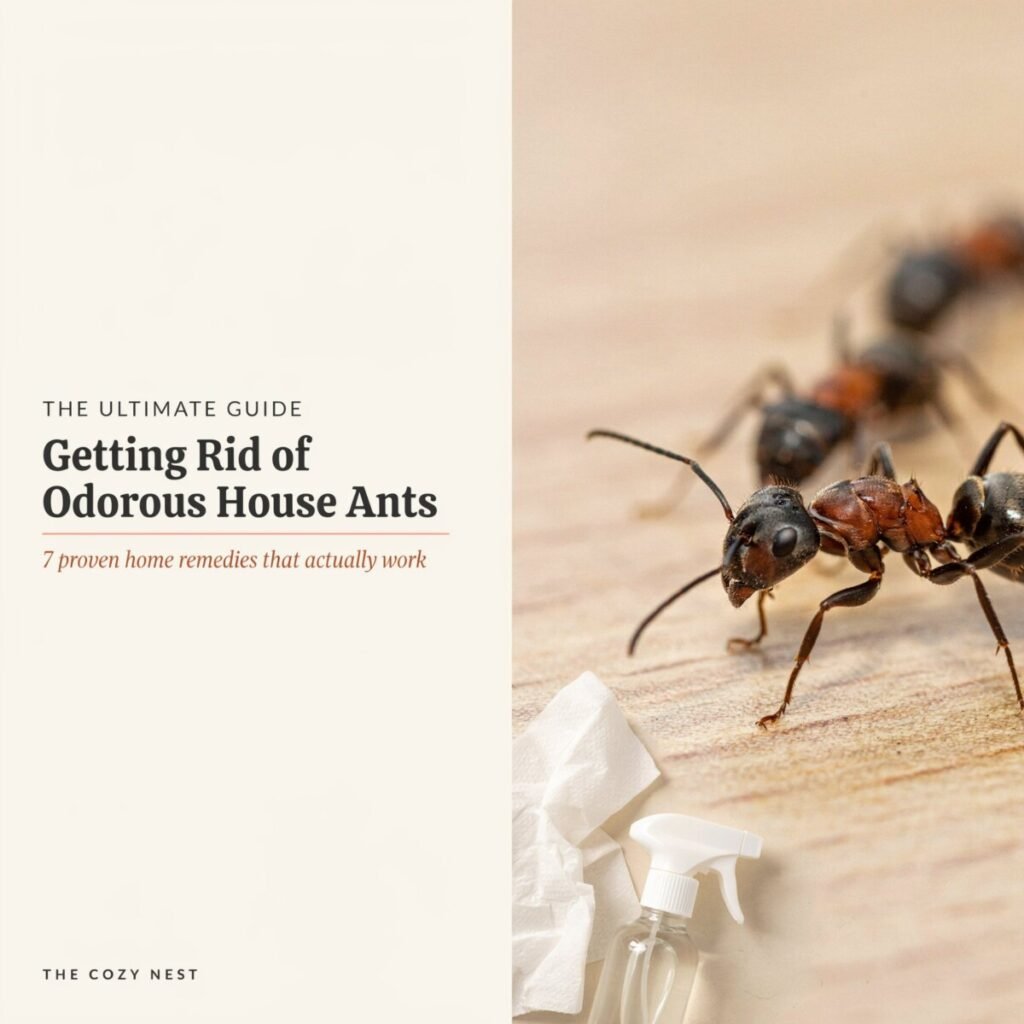
Imagine turning on your kitchen light late at night, only to be greeted by a chaotic swarm of winged insects buzzing around your ceiling fan or hovering near the window. If you’ve ever experienced this, you know exactly how unsettling it can be. Finding flying ants in house spaces is a common homeowner nightmare, especially when they seem to appear out of nowhere. These winged invaders—often confused with termites—can quickly turn a peaceful evening into a full-blown pest panic.
When you’re dealing with a sudden swarm, you don’t have time to wait days for a solution. You need to know how to eliminate flying ants in your home overnight so you can sleep peacefully and wake up to a pest-free environment. Whether you are spotting flying ants in kitchen pantries or noticing them gathering around the damp corners of your laundry room, quick action is essential.
In this comprehensive guide, we will walk you through the most effective ant removal methods, from immediate DIY fixes to long-term indoor pest prevention strategies. By the end of this article, you’ll have a clear, actionable plan to get rid of flying ants fast, protect your home, and ensure these winged nuisances never return. Let’s dive into the fastest, most reliable ways to reclaim your home tonight.
What Causes Flying Ants Indoors?
Before you can effectively tackle a flying ant infestation, it helps to understand why they are invading your living space in the first place. Flying ants are not a specific species of ant; rather, they are the reproductive members (alates) of an existing ant colony. When a colony matures, it sends out these winged ants to mate and establish new colonies—a phenomenon known as a “nuptial flight.”
Here are the primary reasons they end up inside your home:
- Food Sources: Ants are relentless foragers. If you have accessible sugars, proteins, or greasy residues, scout ants will leave a pheromone trail for the rest of the colony. While the flying ants themselves are focused on mating, the presence of a worker colony nearby means your home is already on their radar.
- Moisture and Leaks: Ants need water to survive. It is incredibly common to find flying ants in bathroom areas, near leaky pipes, or around damp window sills. High humidity and standing water create an ideal environment for colonies to thrive, sometimes even inside your walls.
- Cracks, Gaps, and Entry Points: Tiny fissures in your foundation, gaps around utility lines, or torn window screens act as open invitations. When outdoor colonies swarm, they can easily drift or crawl through these vulnerabilities.
- Seasonal Swarming Behavior: Nuptial flights typically happen during specific times of the year, often on warm, humid days following a heavy rain. If a mature colony is located near your home’s foundation or under a nearby porch, the swarm may accidentally (or purposefully) find its way indoors through open doors or vents.
How to Identify Flying Ants
When a swarm happens, the first question most homeowners ask is: “Are these flying ants or termites?” Correct identification is a crucial first step in ant control in home environments because the treatment and urgency differ vastly between the two pests.
Here is how to tell them apart using simple visual clues:
- Antennae: Flying ants have elbowed (bent) antennae, resembling a bent arm. Termites have straight, bead-like antennae that point directly forward.
- Waist: Ants have a distinctly pinched, narrow waist between their thorax and abdomen. Termites have a broad, straight, and uniform body shape with no pinched waist.
- Wings: Both have two sets of wings, but flying ants feature unequal wing lengths—the front wings are noticeably longer than the back wings. Termites have four wings of equal size and shape that are often twice as long as their body.
- Color: Flying ants are typically dark red, brown, or black. Termite swarmers are usually dark brown or black, but the worker termites you might find are pale or translucent.
Why does this matter? While a flying ant infestation is primarily a nuisance and a hygiene concern, termites can cause catastrophic structural damage to your home. If you determine you have termites, you need professional intervention immediately. If it’s flying ants, you can confidently proceed with DIY indoor ant treatment and overnight elimination strategies.
Fast Ways to Eliminate Flying Ants Overnight
If you need to kill flying ants and halt a swarm before you go to bed, you need immediate, fast-acting solutions. Here are the most effective methods to achieve overnight ant control:
- Vacuuming Flying Ants: This is the absolute fastest way to physically remove a swarm. Grab your vacuum cleaner with a hose attachment and suck up the visible flying ants, as well as any crawling near baseboards. Empty the vacuum canister or dispose of the bag in an outside trash can immediately so they don’t crawl back out.
- Using Dish Soap Spray: A simple dish soap ant spray is incredibly lethal to ants. The soap coats their exoskeleton and clogs their breathing pores, suffocating them rapidly. Mix equal parts water and liquid dish soap in a spray bottle and spritz any ants you see.
- Vinegar Spray for Ants: White vinegar is a powerhouse in home pest control. Not only does the acidity kill ants on contact, but it also obliterates the invisible pheromone trails they use to navigate. Mix a 50/50 solution of white vinegar and water, and spray it along baseboards, window sills, and entryways.
- Essential Oil Repellents: Peppermint, tea tree, and citrus oils are excellent natural ant repellents. Ants despise strong scents. Add 15-20 drops of peppermint oil to a cup of water in a spray bottle and mist it around doors and windows to create an invisible barrier.
- Ant Baits for Colony Control: While sprays kill the ants you see, ant bait stations are designed to eliminate the problem at its source. Worker ants carry the poisoned bait back to the colony, eventually killing the queen. Place baits near where you see the most activity, but be patient—it takes a day or two to see the full colony collapse.
- Insecticide Sprays if Needed: For severe indoor swarms, a targeted, indoor-safe pyrethrin-based insecticide spray can provide instant knockdown power. Ensure the product is labeled for indoor use and keep kids and pets away until it dries.
- Diatomaceous Earth for Cracks and Entry Zones: Food-grade diatomaceous earth (DE) is a fine powder made from fossilized algae. When ants crawl over it, the microscopic shards cut their exoskeletons, causing them to dehydrate and die within hours. Puff it into cracks, crevices, and behind appliances.
Step-by-Step Overnight Action Plan
To eliminate flying ants quickly and wake up to a clear house, follow this practical sequence tonight:
- Find the Infestation Source: Do a quick walkthrough. Are they clustering around a specific window, a damp bathroom sink, or a kitchen trash can? Identifying the epicenter helps you target your efforts.
- Remove Visible Ants: Use your vacuum to suck up the swarm and any crawling ants. This instantly reduces the population in your living space.
- Spray Problem Areas: Apply your vinegar spray for ants or soapy water directly to the areas where ants were clustering, as well as along baseboards and window frames.
- Place Bait Stations: Set out ant bait stations near the source of the activity (but away from where you just sprayed repellents, or the ants will avoid the bait).
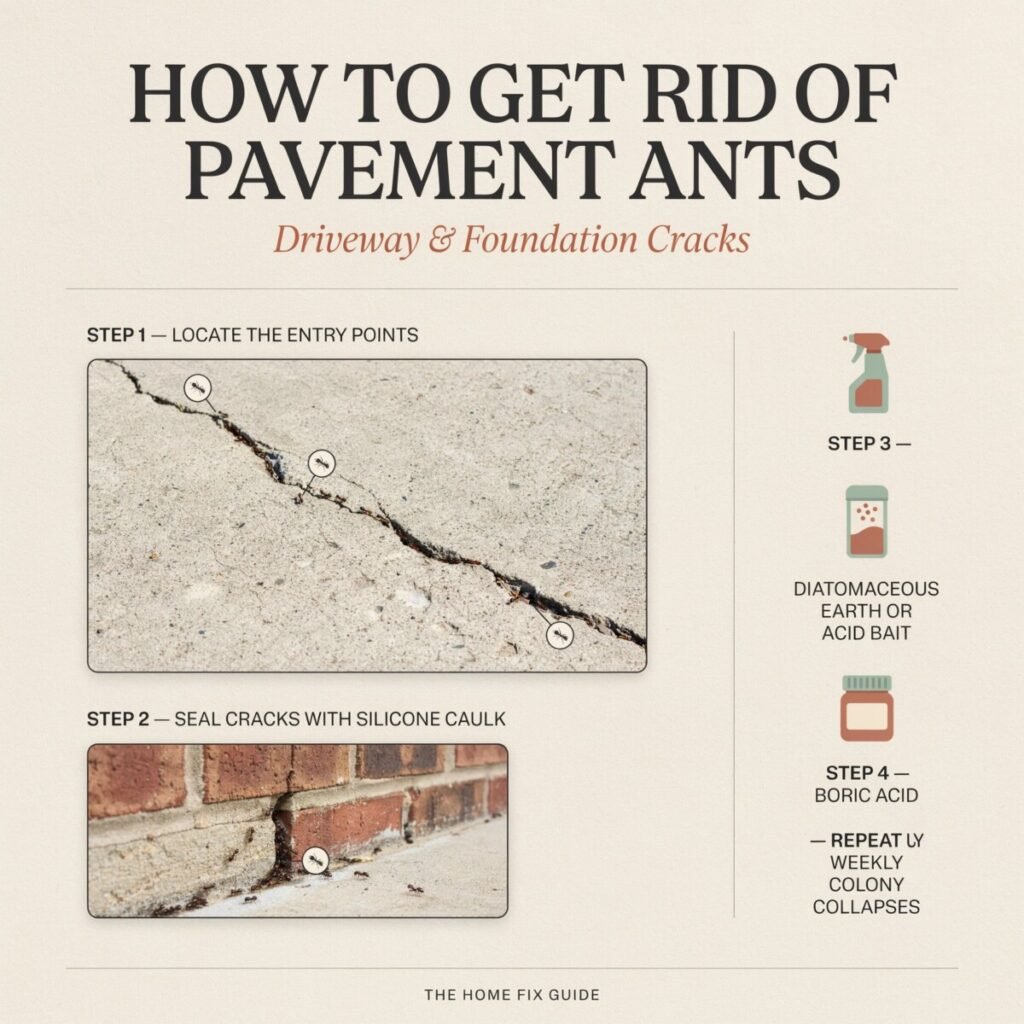
- Seal Entry Points: Grab some caulk or weatherstripping and quickly seal entry points like gaps around pipes, window drafts, or cracks in the baseboards where you suspect they are getting in.
- Clean Surfaces and Remove Food: Wipe down kitchen counters, sweep the floors, and ensure all pantry items are in airtight containers. Take the trash out to the outside bin.
- Check Again in the Morning: When you wake up, check your bait stations and entry points. Vacuum up any dead ants and reapply natural sprays if necessary.
Best Natural Remedies
For households with children, pets, or a preference for eco-friendly living, natural ant repellents are a fantastic alternative to harsh chemicals. Here are the top natural remedies for ant control in home settings:
- White Vinegar: As mentioned, a vinegar spray for ants disrupts scent trails and acts as a mild contact killer. It’s cheap, safe, and highly effective at confusing foraging ants.
- Dish Soap and Water: The dish soap ant spray is a staple of DIY pest control. It leaves no toxic residue and kills on contact by breaking down the insect’s waxy outer layer.
- Peppermint Oil: Soaking cotton balls in pure peppermint oil and placing them in cabinets, under sinks, and near entry doors creates a strong scent barrier that ants refuse to cross.
- Cinnamon: Ants hate the smell and texture of cinnamon. Sprinkle ground cinnamon or apply cinnamon essential oil near thresholds and cracks. It acts as a natural deterrent.
- Diatomaceous Earth (DE): This is one of the most effective ant removal methods that is entirely non-toxic to humans and pets (just avoid inhaling the dust during application). It provides long-lasting protection in dry, hard-to-reach areas.
When to Use Chemical Treatments
While natural methods are great for maintenance and minor swarms, sometimes you need heavier artillery. If you are dealing with a massive flying ant infestation that seems to be emerging from inside your walls, chemical treatments may be necessary.
Aerosol insecticides designed for indoor crawling insects can provide an immediate kill. However, these only treat the symptoms, not the root cause. For a more permanent solution, professional-grade gel baits and non-repellent liquid termiticides/insecticides (like those containing Fipronil or Imidacloprid) are highly effective. These non-repellent chemicals allow ants to unknowingly walk through the treated area and spread the poison throughout the colony.
Safety Note: Always read the label instructions carefully. When using chemical indoor ant treatment products, ensure proper ventilation, and keep children and pets out of the treated area until the product has completely dried.
How to Prevent Flying Ants from Returning
Achieving overnight ant control is only half the battle. To truly prevent flying ants from making your home their annual mating ground, you must implement proactive indoor pest prevention habits:
- Seal Cracks and Gaps: Inspect your home’s exterior and interior. Use silicone caulk to seal entry points around utility pipes, foundation cracks, and window frames. Install door sweeps on exterior doors.
- Store Food in Airtight Containers: Open cereal boxes, pet food bags, and sugar bowls are ant magnets. Transfer dry goods into hard plastic or glass containers with tight-fitting lids.
- Fix Leaks and Reduce Moisture: Repair dripping faucets, leaky showerheads, and condensation issues. Use a dehumidifier in damp basements or crawl spaces. Dry environments are highly unappealing to ants.
- Clean Countertops and Floors: Sweep and mop regularly to remove crumbs and sticky spills. Wipe down the inside of your pantry shelves and clean under large appliances like the stove and refrigerator.
- Keep Trash Sealed: Ensure your indoor trash cans have tight-fitting lids and take the garbage out regularly, especially if it contains food scraps.
- Maintain Window and Door Screens: Patch any holes in your window screens. Flying ants can easily slip through tiny tears during a nuptial flight.
When to Call a Pest Control Professional
DIY methods and pest control tips are highly effective for most standard ant problems. However, there are scenarios where you should put down the vinegar spray and call a licensed exterminator:
- Hidden Nests: If you consistently see flying ants in house areas but cannot find where they are entering, the colony may be nesting inside your walls, under the subfloor, or in your attic.
- Recurring Swarms: If you experience a massive swarm every spring or summer despite your best home pest control efforts, the parent colony is likely very large and deeply entrenched on your property.
- Carpenter Ants: If you identify the flying ants as carpenter ants (which are notably large and leave behind sawdust-like frass), you need professional help immediately. Unlike standard nuisance ants, carpenter ants excavate wood to build their nests and can cause significant structural damage over time.
- Structural Concerns: If you suspect the insects might actually be termites, do not wait. Call a professional for a thorough inspection and targeted treatment plan.
Conclusion
Waking up to a swarm of flying ants is stressful, but it doesn’t have to be a long-term problem. By understanding what attracts them, correctly identifying the pest, and using fast-acting remedies like vacuums, soapy water, and targeted baits, you can successfully eliminate flying ants quickly. Remember that the secret to lasting overnight ant control lies in combining immediate eradication tactics with long-term indoor pest prevention. By taking a few hours tonight to clean, seal, and treat your home, you can stop the swarm in its tracks and enjoy a peaceful, pest-free home tomorrow.
Frequently Asked Questions (FAQ)
Why are flying ants suddenly in my house?
Flying ants usually appear suddenly because they are on a “nuptial flight.” When an outdoor or hidden indoor ant colony reaches maturity, it releases winged reproductive ants to mate and start new colonies. They often enter homes through open doors, torn screens, or cracks in the foundation while searching for a mate or a new nesting site.
What kills flying ants instantly?
The fastest ways to kill flying ants on contact are a dish soap ant spray (which suffocates them), a 50/50 white vinegar and water solution, or a targeted indoor insecticide spray. Vacuuming them up is also an incredibly fast and chemical-free way to remove them instantly.
Do flying ants mean I have an infestation?
Not necessarily, but it is a strong warning sign. Seeing a few flying ants near a window might just mean a swarm blew in from outside. However, if you are seeing dozens of flying ants deep inside your home, especially in the winter or early spring, it likely means there is a mature, hidden ant colony nesting somewhere inside your walls or under your floors.
Are flying ants dangerous?
Flying ants are generally not dangerous to humans. Most species of flying ants do not sting or bite, and they do not eat wood like termites. However, carpenter ants (which can fly) can damage the structural wood of your home over time. Additionally, a large swarm can contaminate food sources and create a stressful, unsanitary living environment.
How do I keep flying ants from coming back?
The best way to prevent flying ants is through exclusion and sanitation. Seal entry points with caulk, repair damaged window screens, and store all pantry food in airtight containers. Eliminate moisture sources by fixing leaky pipes, and use natural deterrents like peppermint oil or diatomaceous earth around the perimeter of your home to keep foraging scouts away.