There’s something about spring that feels like a fresh start — longer days, blooming flowers, open windows, and that first warm breeze rolling through the house. But for millions of American homeowners, spring also brings an unwelcome guest: ants. One morning you’re sipping your coffee, and the next, there’s a thin line of tiny black ants marching across your kitchen counter like they own the place.
If this sounds familiar, you’re definitely not alone. Ants are one of the most common household pests in the United States, and spring is prime time for infestations. As temperatures rise and colonies become more active, ants start scouting for food, water, and shelter — and your home checks every box.
The good news? You don’t have to just put up with them. With a little preparation and some smart spring ant prevention habits, you can stop ants from coming inside before they ever become a problem. In this guide, we’ll walk through why ants invade homes in spring, where they get in, and the practical steps you can take to ant-proof your home this season.

Why Ants Come Inside in Spring
To stop ants, it helps to understand what drives them indoors in the first place. Ants don’t wander into your kitchen by accident — they’re following instincts honed over millions of years. Here’s what makes your home such an attractive target once spring rolls around:
Warming Temperatures
Ants are cold-blooded creatures. During the winter, most colonies go dormant or slow way down. As the soil warms in early spring, ant activity spikes. Worker ants start foraging again, and scouts head out to find reliable food sources. Your warm, climate-controlled home is basically a beacon.
Rain and Moisture
Spring showers are great for your garden, but they can also drive ants indoors. Heavy rain floods outdoor nests, forcing colonies to relocate — often straight into your walls, basement, or crawl space. Some ant species, like odorous house ants and carpenter ants, are especially drawn to damp areas around plumbing, leaky faucets, and poorly ventilated bathrooms.
Nesting Activity
Spring is mating season for many ant species. Winged reproductive ants (called alates or “swarmers”) emerge to start new colonies. If you see these larger ants with wings buzzing around your windows in spring, it’s a strong sign that a mature colony is nearby — and possibly already inside your home.
Food Crumbs and Spills
Let’s be honest: our homes are full of food. Tiny crumbs under the couch, sticky spills on the counter, unrinsed recycling bins, pet food left out overnight — all of these are like a five-star buffet for an ant colony. Scout ants leave chemical trails (pheromones) once they find food, which is why one ant often turns into a hundred overnight.
Easy Entry Through Cracks and Gaps
The average home has dozens of tiny openings where ants can slip through. We’ll cover these in more detail below, but even a gap as small as a credit card’s thickness is an open invitation for an ant.
Common Entry Points
Knowing where ants get in is half the battle. Here are the most common ant entry points in US homes:
Windows and Doors
Ants around windows and doors are incredibly common, especially in older homes. Gaps in weather stripping, cracked caulking around frames, and damaged screens all provide easy access. Sliding glass doors are particular culprits — the tracks collect dirt and moisture, and the gaps are often just big enough for ants to slip through.
Foundation Cracks
As houses settle over the years, small cracks develop in concrete foundations. These cracks are highways for ants, especially species that nest in soil. If you’ve got ants in the house in spring showing up along baseboards or in basements, foundation cracks are a likely entry point.
Wall Gaps and Vents
Where utility lines, plumbing pipes, and electrical cables enter your home, there are often small gaps around them. Dryer vents, attic vents, and crawl space openings can also be entry points if they’re not properly screened.
Plumbing Openings
Under sinks, behind toilets, and around water heaters — anywhere pipes penetrate walls or floors, there’s potential for gaps. These areas are also often damp, which makes them doubly attractive to ants.
Garage and Crawl Space Access
Garages are often less sealed than the main house, and the door between the garage and the living space may not close tightly. Crawl spaces are prime nesting territory for several ant species.
Cleaning Habits That Help
You can spend a fortune on pest control products, but if your home is basically an all-you-can-eat ant restaurant, they’ll keep coming back. Eliminating food sources is one of the most effective long-term ant control tips you can adopt. Here’s where to focus:
Wipe Countertops Daily
Crumbs and sticky residue from juice, syrup, or condiments are ant magnets. A quick wipe-down with a damp cloth or all-purpose cleaner after each meal goes a long way. Pay special attention to the areas around the toaster, coffee maker, and fruit bowl.
Sweep and Vacuum Regularly
Crumbs accumulate fast — under the dining table, near the pantry, under kitchen cabinets, and in the living room where snacks happen. Sweeping or vacuuming daily, especially in high-traffic eating areas, removes the tiny food particles that scout ants are looking for.
Store Food in Sealed Containers
Open bags of cereal, chips, sugar, and flour are basically ant billboards. Transfer dry goods into airtight glass or plastic containers with tight-fitting lids. This is one of the easiest ways to keep ants out of kitchen pantries and cabinets.
Clean Pet Food Areas
Pet food is one of the top indoor ant attractants. Dry kibble left out in a bowl all day (or night) is a constant food source. Try feeding pets at set times and picking up the bowl afterward. If ants are already finding the bowl, try placing it inside a shallow dish of soapy water — the soap creates a barrier ants won’t cross.
Take Out Trash Regularly
Overflowing or uncovered trash cans are a major ant draw, especially in warm weather. Empty kitchen trash daily, use cans with tight lids, and give the inside of the can an occasional rinse. Don’t forget the recycling bin — unrinsed soda cans and juice bottles are ant goldmines.
Don’t Leave Dirty Dishes Out Overnight
That sink full of dinner plates might be fine for you, but it’s an overnight party for ants. If you can’t run the dishwasher right away, at least rinse dishes and stack them in a soapy water bath.
How to Seal Entry Points
Once you’ve tidied up the inside, it’s time to seal entry points on the outside. This is where a Saturday afternoon and a few inexpensive supplies can save you months of frustration.
Inspect the Exterior of Your House
Start by walking the perimeter of your home slowly. Look for cracks in the foundation, gaps around windows and doors, holes where pipes and cables enter, and damaged siding. A flashlight and a notepad (or your phone) are helpful.
Use Caulk and Weather Stripping
A tube of silicone or acrylic latex caulk is one of the best home pest prevention investments you can make. Apply it around window frames, door jambs, and anywhere you see small cracks. Replace worn weather stripping on doors — if you can feel a draft, ants can get in.
Repair Damaged Screens
Torn or loose window and door screens are an open door for ants and other pests. Patch small tears with screen repair tape, or replace damaged screens entirely. Don’t forget the attic and dryer vents — these should be fitted with fine mesh screens.
Seal Cracks in the Foundation
For larger cracks in your foundation or exterior walls, use a concrete patch or expanding foam sealant. Pay special attention to where the foundation meets the siding, and around any utility penetrations.
Fix Gaps Around Pipes and Cables
Where plumbing, electrical, and cable lines enter your home, fill the gaps with expanding foam, steel wool, or caulk. Steel wool is especially useful because ants (and mice) can’t chew through it. For a more finished look, cover it with caulk afterward.
Outdoor Prevention Tips
Good outdoor ant control makes indoor problems far less likely. Think of your yard as the first line of defense.
Trim Plants Away from the House
Tree branches, shrubs, and vines that touch your house act as ant bridges. Trim them back at least 12 to 18 inches from the siding, roofline, and windows. Ants will happily walk along a branch and straight into a gap in your soffit or window frame.
Remove Wood Piles and Debris
Firewood stacks, lumber piles, and yard debris are ideal nesting spots for several ant species, especially carpenter ants. Store firewood at least 20 feet from your home and elevate it off the ground if possible. Clear away leaf piles, old boards, and other debris near the foundation.
Reduce Mulch Near the Foundation
Mulch holds moisture and provides shelter for ants. If you use mulch, keep it at least 12 inches away from your foundation, or consider switching to inorganic options like gravel or stone near the house. If you love the look of wood mulch, use it sparingly and keep it thin.
Fix Drainage Problems
Standing water and soggy soil attract moisture-loving ants. Make sure downspouts direct water at least five feet away from your foundation, regrade areas where water pools, and fix any low spots in your yard. Removing standing water also helps with mosquitoes and other pests.
Keep Gutters Clear
Clogged gutters overflow and dump water down your siding and foundation, creating the exact damp conditions ants love. Clean your gutters at least twice a year — once in late fall and again in early spring — and check for leaks or sagging sections.
Natural Ant Repellents
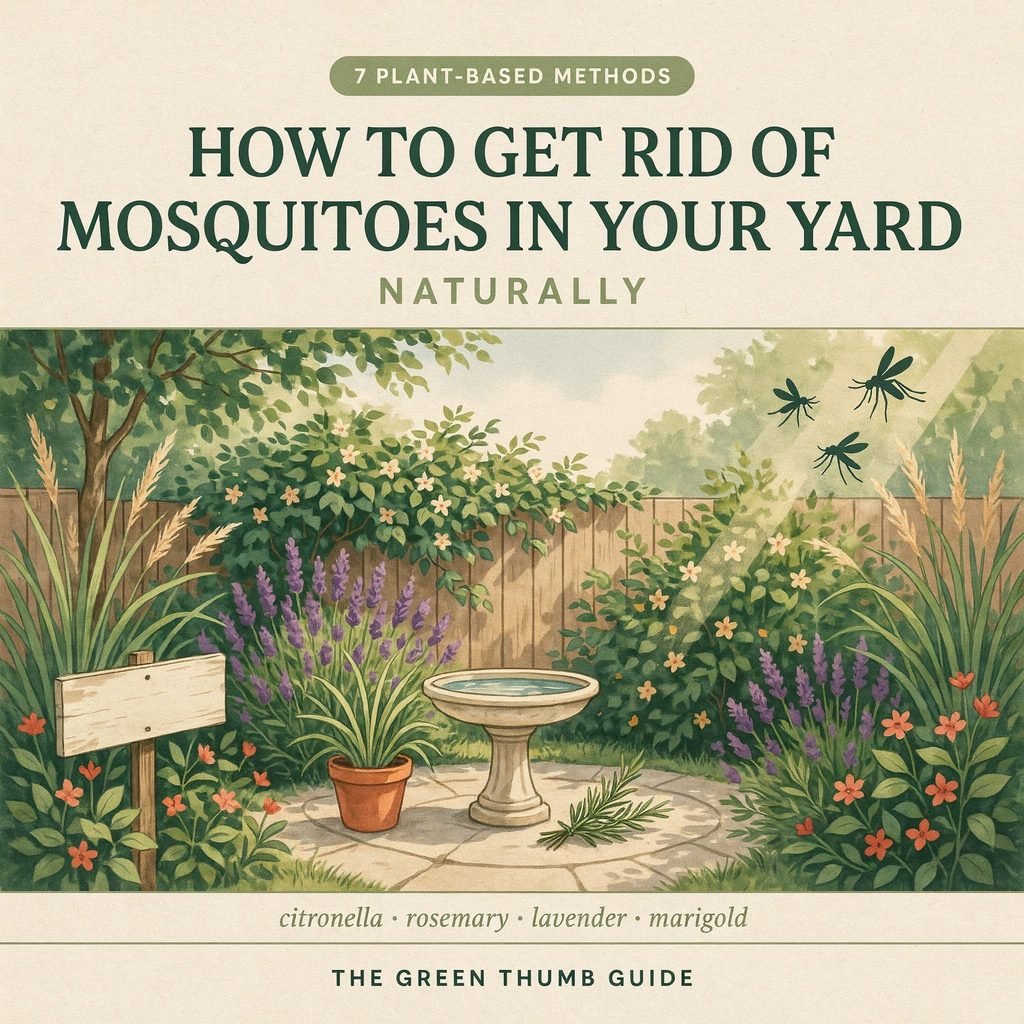
If you prefer to avoid chemical pesticides, several natural ant repellents can help deter ants from entering your home. Keep in mind that these work best as deterrents and part of a broader spring pest control plan — they’re unlikely to eliminate an established colony on their own.
White Vinegar
A simple 50/50 solution of white vinegar and water is one of the most effective DIY ant deterrents. Spray it along baseboards, window sills, door thresholds, and anywhere you’ve seen ant trails. Vinegar disrupts the pheromone trails ants use to navigate, basically erasing their map to your kitchen.
Peppermint Oil
Ants hate the strong scent of peppermint. Mix 10 to 20 drops of peppermint essential oil with two cups of water in a spray bottle and apply around entry points. You can also soak cotton balls in the oil and place them in cabinets, under sinks, or near suspected entry points. As a bonus, your house will smell great.
Lemon Juice
Similar to vinegar, lemon juice masks ant pheromone trails. Rub lemon juice along window sills and door frames, or spray a diluted solution in problem areas.
Cinnamon
Ground cinnamon or cinnamon essential oil is a natural ant deterrent. Sprinkle it along entry points or mix a few drops of cinnamon oil with water and spray. It won’t kill ants, but it discourages them from crossing the line.
Soapy Water
A simple spray bottle filled with water and a few drops of dish soap can kill ants on contact and disrupt their trails. It’s a great quick-response tool when you spot a small trail forming.
Again, these methods are helpful as part of a comprehensive approach to ant infestation prevention, but if you’re dealing with a full-blown infestation, you’ll likely need more aggressive tactics.
Ant Baits vs. Sprays
When ants have already made it inside, you’ll want to choose the right treatment. The two most common options are ant bait and insecticide sprays — and they work in very different ways.
How Ant Baits Work
Ant baits are slow-acting poisons mixed with an attractive food source (usually sugar or protein, depending on the species). Worker ants carry the bait back to the colony and share it with the queen and other ants. Over the course of several days to a couple of weeks, the entire colony collapses. This makes baits one of the most effective long-term pest control for ants options available to homeowners.
How Sprays Work
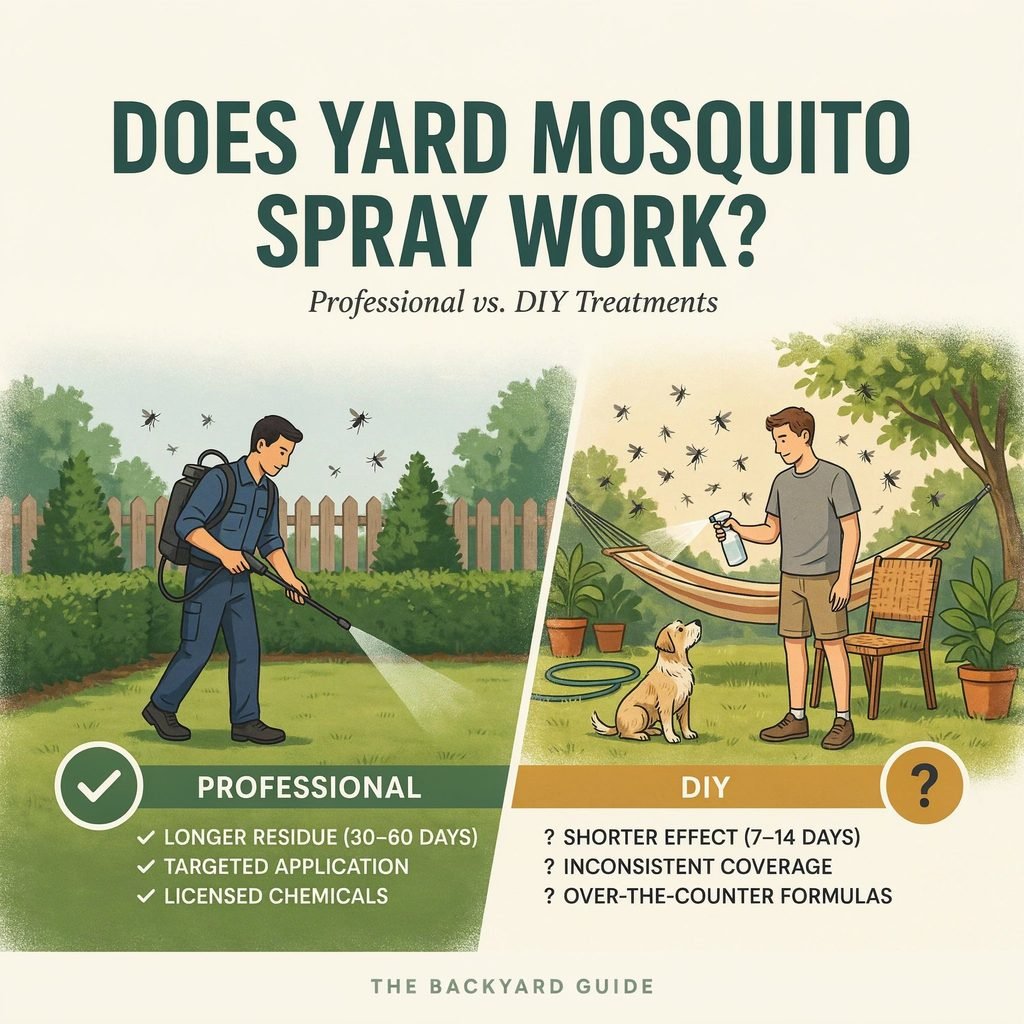
Insecticide sprays kill ants on contact and can create a residual barrier that kills ants that walk across treated surfaces. The problem? They only kill the ants you see. The colony keeps sending more. Sprays are useful for quickly knocking down a visible trail, but they rarely solve the underlying problem.
Why Following Ant Trails Matters
When you see a line of ants, your instinct might be to wipe them out immediately. But if you’re using bait, resist that urge. The trail is how the bait gets back to the nest. Killing the foragers too soon defeats the purpose.
When Each Method Makes Sense
- Use baits when you have a persistent ant problem and want to eliminate the source.
- Use sprays for quick knockdown of visible ants or to create a perimeter barrier around your home’s exterior.
- Use a combination of both: baits indoors and a perimeter spray outdoors for comprehensive ant control tips coverage.
Always follow label directions carefully, especially in homes with children and pets.
When to Call Pest Control
DIY methods handle most spring ant problems, but there are times when it makes sense to bring in the pros. Here are the warning signs:
Repeated Ant Activity
If you’ve tried sealing, cleaning, and baiting but ants keep showing up, there’s likely a colony you haven’t found — possibly inside your walls.
Ants in Multiple Rooms
Ants confined to the kitchen are usually foraging. Ants in the bathroom, living room, and bedrooms at the same time suggest a larger, more established infestation.
Nests Outdoors Near the Home
Large mounds in your yard, especially near the foundation, can indicate a mature colony that’s actively sending scouts indoors. Professional treatments can target these nests directly.
Carpenter Ants
Carpenter ants are larger (often ½ inch or more), usually black or reddish-black, and they nest in wood. Unlike termites, they don’t eat wood, but they excavate it to build galleries, which can cause serious structural damage over time. If you suspect carpenter ants, call a professional — this isn’t a DIY situation.
Ants Returning After Treatment
If you’ve done everything right and the ants still come back, a licensed pest control professional has access to stronger products and the expertise to find the nest you’re missing.
Most pest control for ants services offer seasonal plans that include spring treatments, which are especially valuable in areas with heavy ant pressure.
Conclusion
Spring ant control isn’t about any single miracle trick — it’s about layering your defenses. Clean up food sources inside, seal entry points around the exterior, keep your yard maintained, and act fast when you spot the first ant trail. Most homeowners can handle spring ant problems with a combination of good habits and a few inexpensive supplies.
The best time to start spring ant prevention is before you see the first ant. A weekend of prep work now can save you weeks of frustration later. And remember: if DIY efforts aren’t cutting it, there’s no shame in calling a professional. A trained technician can identify the species, find the nest, and get your home ant-free fast.
Enjoy the spring weather, the open windows, and the longer days — without the uninvited guests.
Quick “Do This First” Action Plan
If you’re seeing ants right now, here’s what to do in the next 24 hours:
- Identify the trail. Watch where the ants are coming from and where they’re going.
- Clean the area. Wipe down counters, sweep floors, and remove any food sources.
- Disrupt the trail. Spray the ant line with a 50/50 vinegar-and-water solution.
- Set out bait. Place ant bait stations near the trail (but out of reach of kids and pets).
- Seal the entry. Once the bait has done its job over the next few days, caulk or seal the crack where they were getting in.
Spring Ant Prevention Checklist
Use this checklist to stay ahead of ants all season long:
Inside the House
- [ ] Wipe counters and sweep floors daily
- [ ] Store all dry goods in airtight containers
- [ ] Take out trash daily and keep cans sealed
- [ ] Don’t leave dirty dishes overnight
- [ ] Feed pets at set times and remove bowls afterward
- [ ] Vacuum regularly, especially in eating areas
- [ ] Fix leaky faucets and dry damp areas
Sealing and Exclusion
- [ ] Inspect windows and doors for gaps
- [ ] Caulk around window frames and door jambs
- [ ] Replace worn weather stripping
- [ ] Repair or replace damaged screens
- [ ] Seal cracks in the foundation
- [ ] Fill gaps around pipes, cables, and utility lines
- [ ] Screen attic and crawl space vents
Outside the House
- [ ] Trim shrubs and tree branches away from the house
- [ ] Store firewood at least 20 feet from the home
- [ ] Pull mulch back 12 inches from the foundation
- [ ] Clean gutters in early spring
- [ ] Fix drainage issues and downspouts
- [ ] Remove yard debris and leaf piles
- [ ] Remove standing water
Treatment
- [ ] Apply a perimeter spray around the foundation in early spring
- [ ] Keep ant bait stations on hand for quick response
- [ ] Have vinegar spray ready for disrupting trails
- [ ] Schedule a professional inspection if activity persists
Frequently Asked Questions
Why do I suddenly see ants in my house in spring?
Spring is when ant colonies wake up from winter dormancy. Rising temperatures trigger foraging activity, and spring rains can flood outdoor nests, driving ants indoors in search of dry shelter and food. Scout ants find entry points through tiny cracks, and once they locate food, they leave pheromone trails that guide hundreds more into your home.
What’s the fastest way to get rid of ants in my kitchen?
The fastest way to stop visible ants is a spray of soapy water or a 50/50 vinegar solution to kill them and disrupt their trail. For longer-term results, set out ant bait stations near where you’ve seen activity. The bait takes a few days to a couple of weeks to eliminate the colony, but it solves the root problem rather than just the symptoms.
Are spring ants dangerous?
Most common household ants in the US — like odorous house ants, pavement ants, and little black ants — are nuisance pests. They don’t bite, sting, or cause structural damage. However, carpenter ants can damage wood in your home, and some species can contaminate food. If you see unusually large ants or signs of wood damage, call a professional.
Will ants go away on their own?
Sometimes, if the food source they were targeting disappears or weather conditions change. But if they’ve found a reliable food source and a warm nesting site, they’ll keep coming back. Waiting them out rarely works — proactive ant infestation prevention is much more effective.
Do natural ant repellents really work?
They can help deter ants and disrupt trails, but they’re not a complete solution on their own. Vinegar, peppermint oil, cinnamon, and lemon juice are great as part of a broader prevention strategy. For an active infestation, you’ll likely need baits or professional treatment in addition to natural deterrents.
How much does professional ant control cost?
Nationwide, professional ant treatment typically ranges from $150 to $400 for a one-time visit, depending on the size of your home, the severity of the infestation, and the species involved. Many companies also offer annual pest control plans starting around $400 to $700 per year, which include regular inspections and treatments for ants and other common pests.
How do I tell the difference between ants and termites?
This is an important distinction, especially in spring when both produce winged swarmers. Ant swarmers have elbowed (bent) antennae, a pinched waist, and two pairs of wings where the front wings are longer than the back. Termite swarmers have straight antennae, a thick waist, and two pairs of equal-length wings. If you’re unsure, save a specimen and have a professional identify it — termites cause far more damage and require different treatment.
Should I worry about ants in my bathroom?
Bathroom ants are usually looking for moisture rather than food. Leaky faucets, condensation on pipes, and damp areas under sinks attract species like moisture ants and pharaoh ants. Fix leaks, improve ventilation, and seal gaps around plumbing. If you see ants in the bathroom regularly, it’s worth investigating whether there’s a moisture problem you need to address.
About this guide: This article was written to help US homeowners and renters take practical, effective steps against spring ant invasions. Pest conditions vary by region, so consider consulting a local licensed pest control professional for advice tailored to your area and the specific ant species common where you live.